Patrick Sherlund
Lead Software Engineer


AI-powered drone search & rescue platform designed for speed, safety, and hope.
6 months to MVP
Lead Software Engineer
Lead Product Designer
Engineered Bishop's search and rescue video intelligence pipeline to automate frame-by-frame review into prioritized human detections, cutting time-to-first-lead from hours to seconds.
Locating distressed humans quickly & efficiently during search & rescue missions.
 The Vision
AI powered drone search & rescue application designed for speed, safety, and hope.
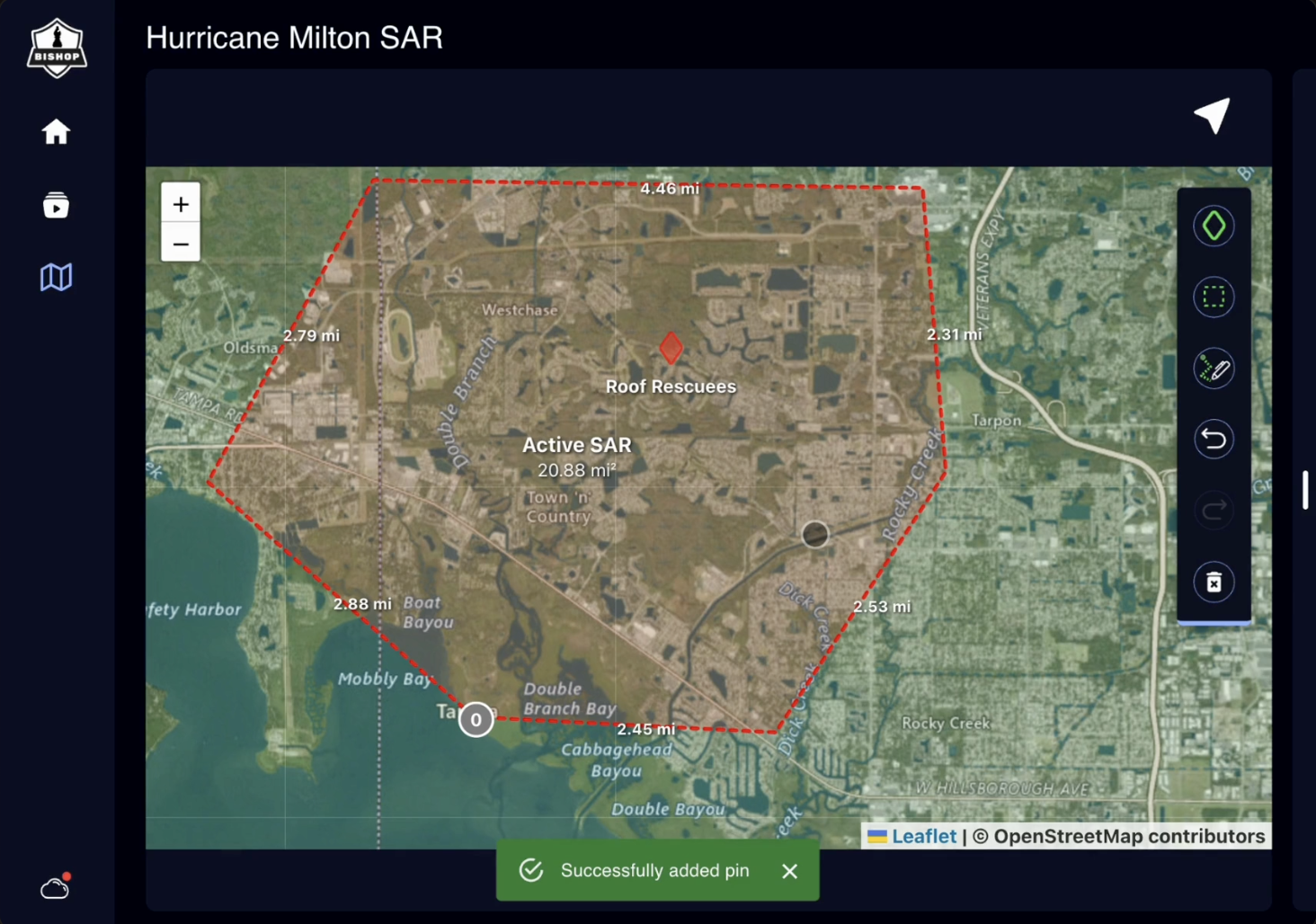
Understand the context, painpoints, and user insights
We started this after the 2024 Southeast Coastal hurricanes, when SAR teams struggled to find survivors quickly across flooded zones.
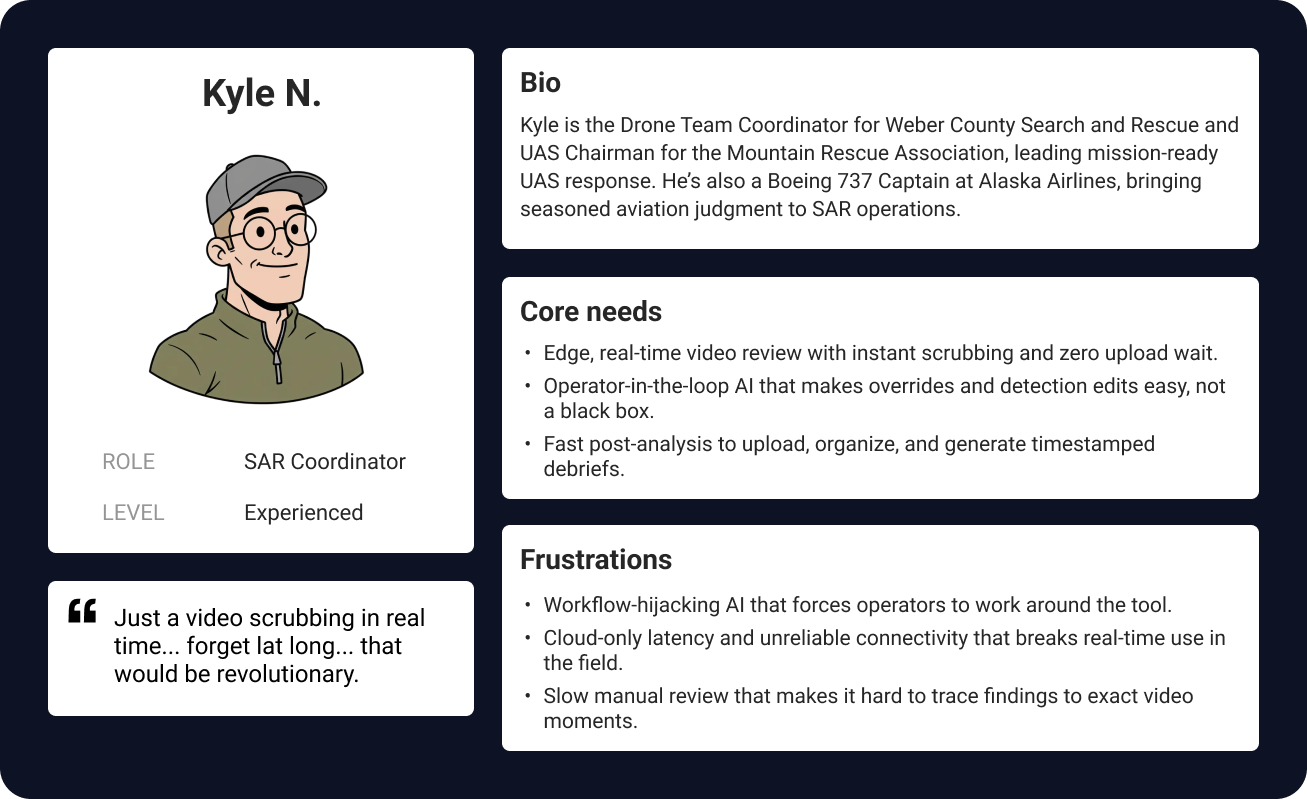
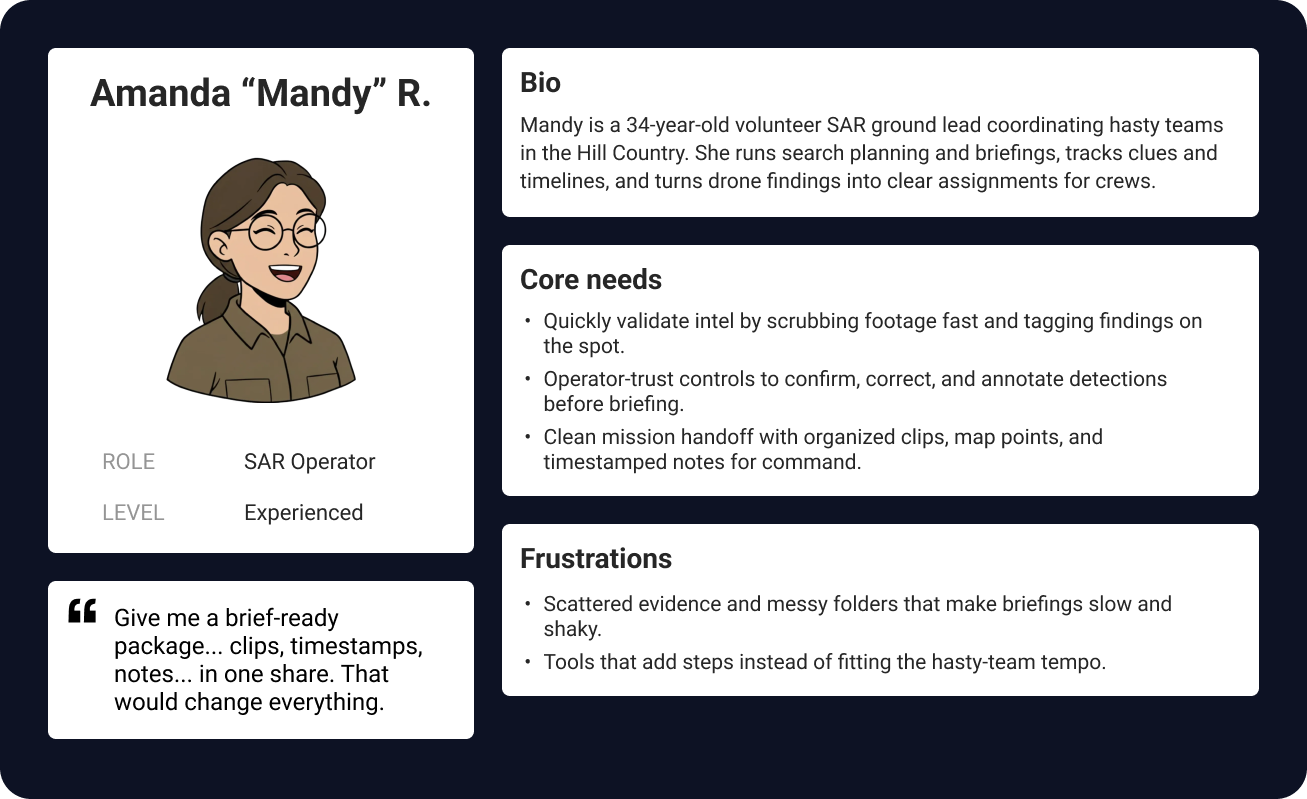
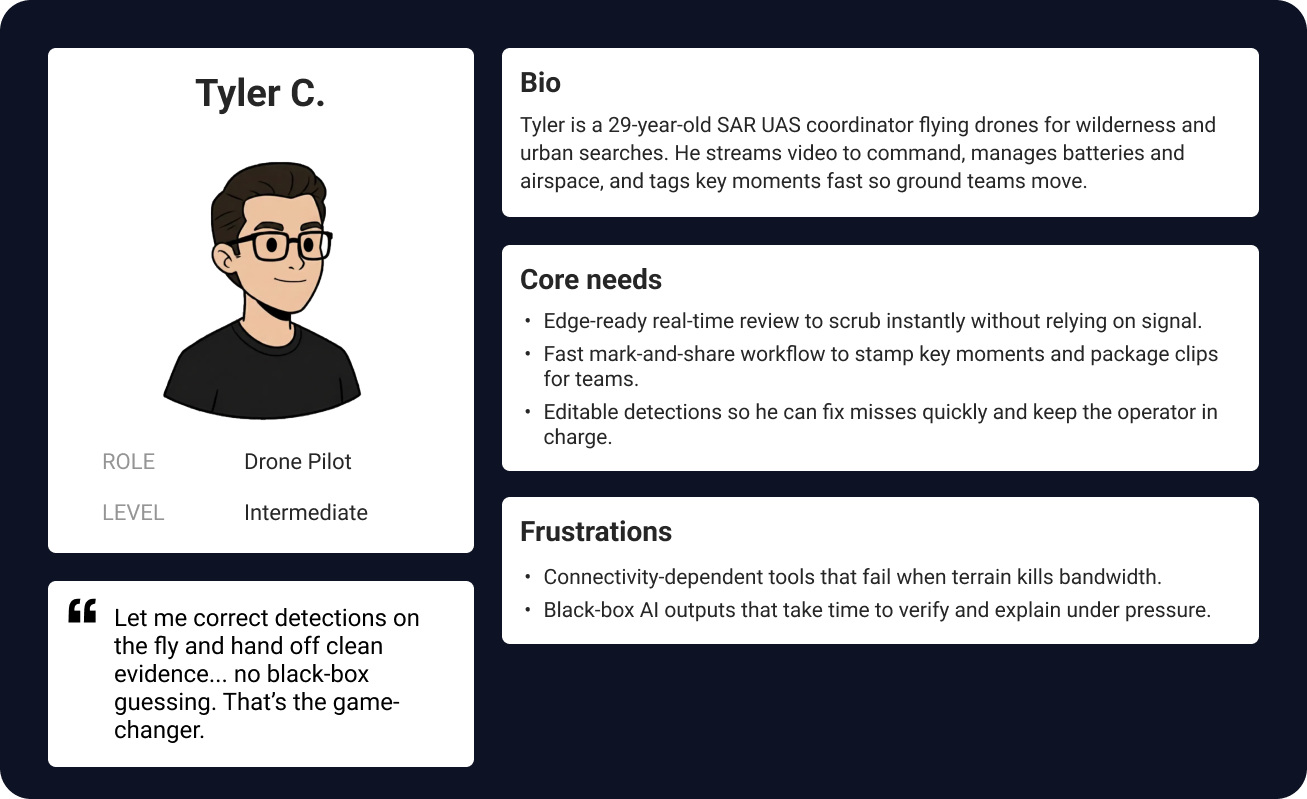
In SAR, the first ~72 hours are the most critical, but manual video review is fatiguing and error prone, and even reviewed footage can hide missed detections. Bishop runs a rapid second pass to surface missed human leads faster.
In SAR operations, responders have ~72 hours to find subjects, but manual video review creates cognitive fatigue that increases missed detections and delays time-to-discovery.
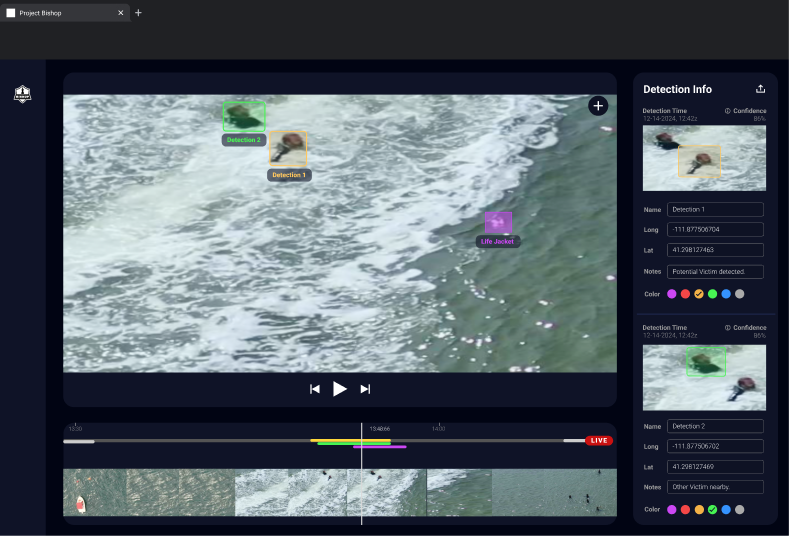
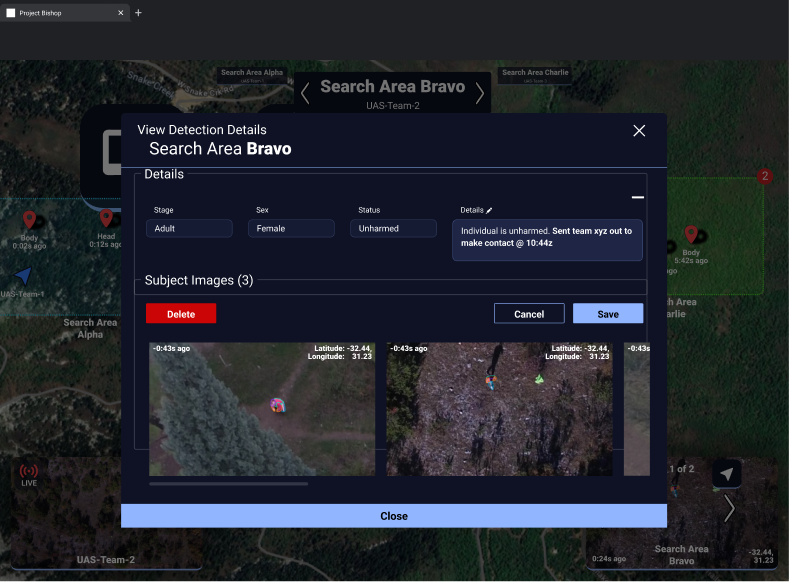
Process large RF captures fast enough to support field use.
Fit into existing tactical workflows instead of asking users to adopt new ones.
Make detectability understandable in seconds, with minimal training.
Week 2 - Gather, Annotate & Train
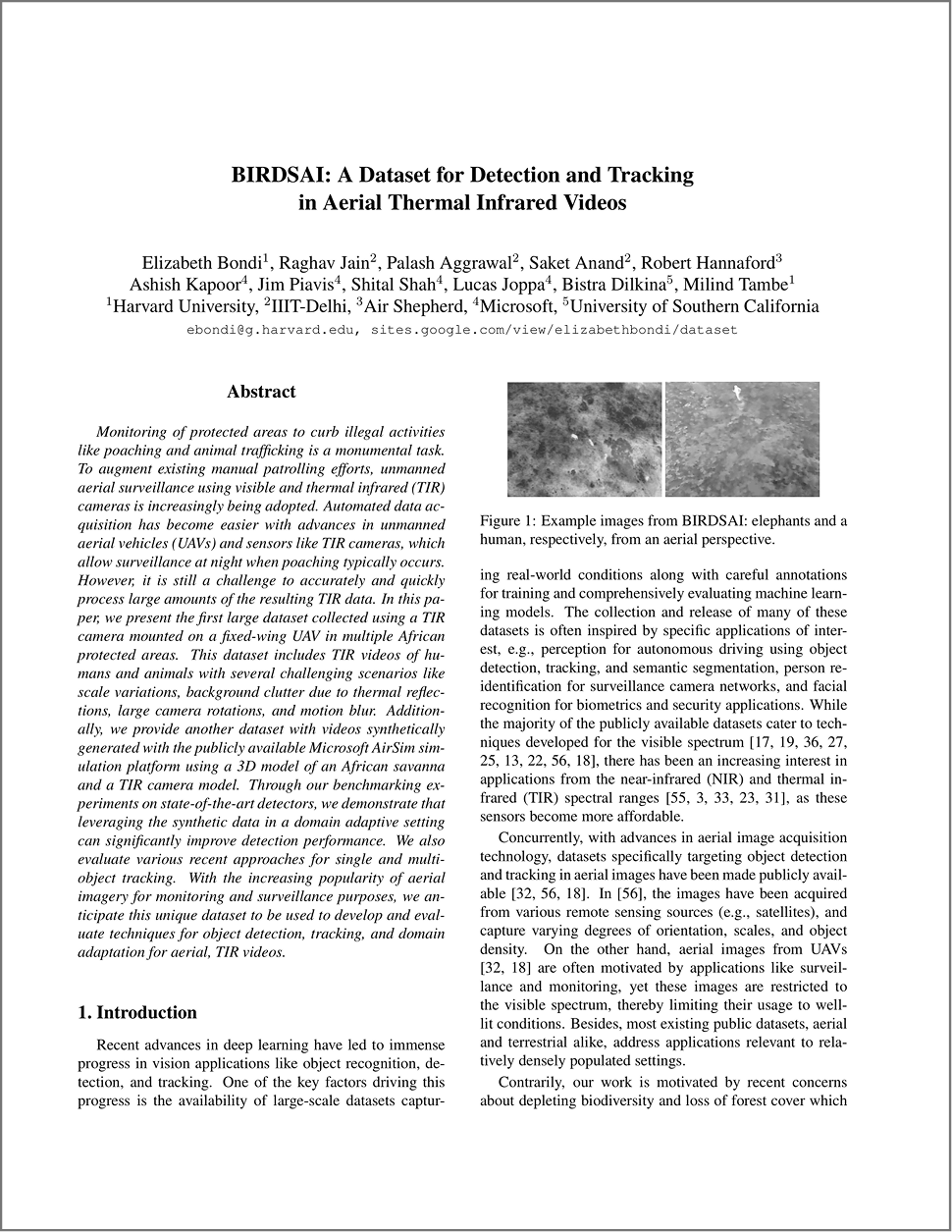
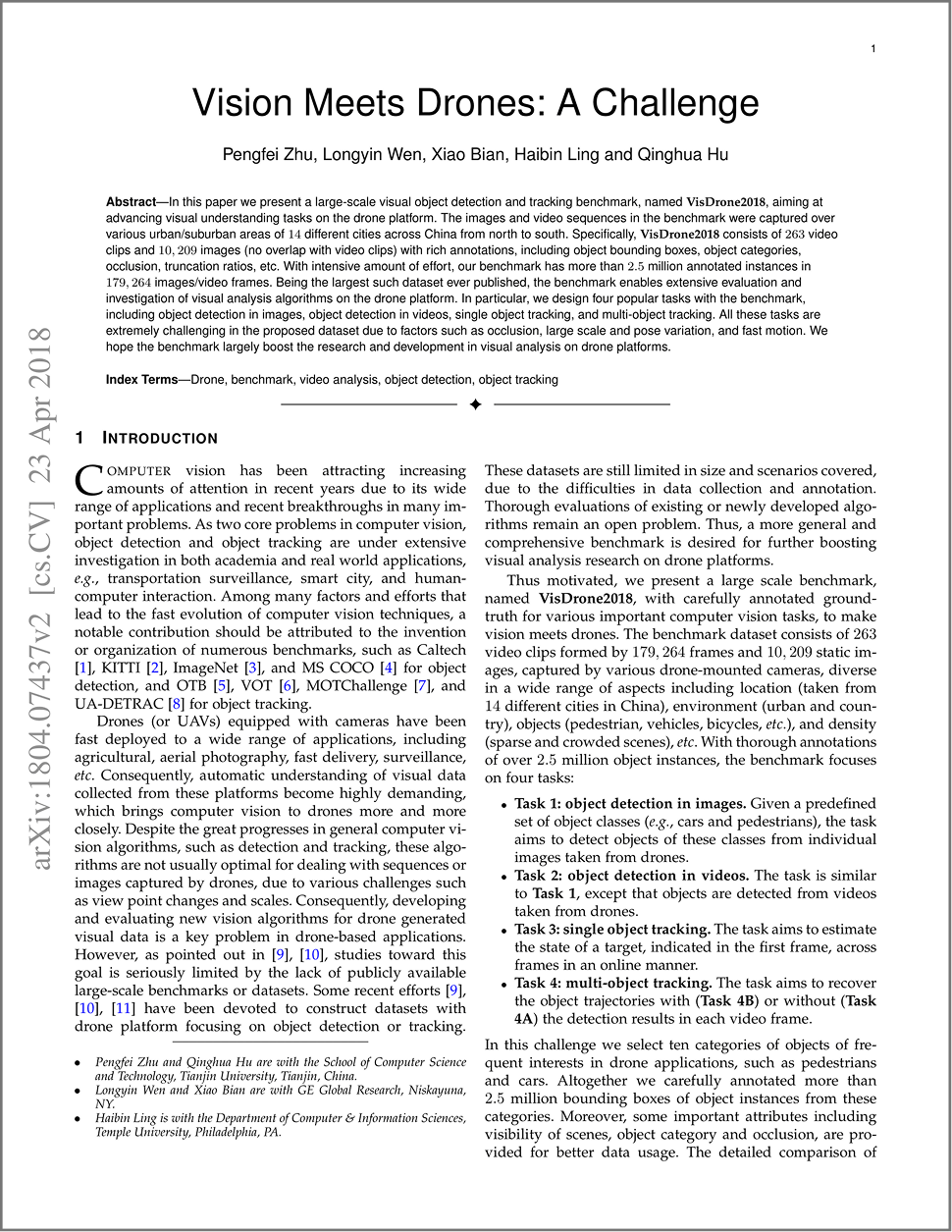
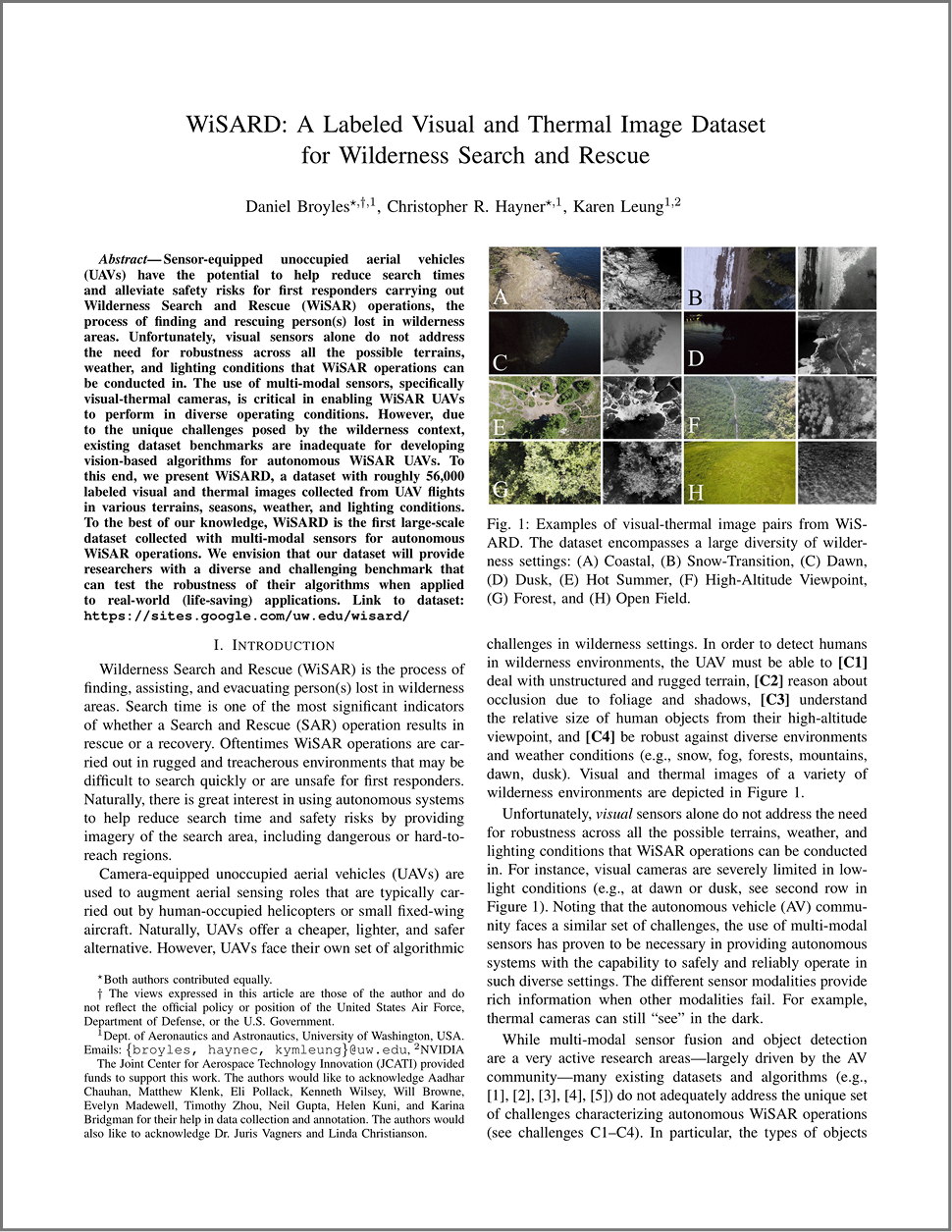
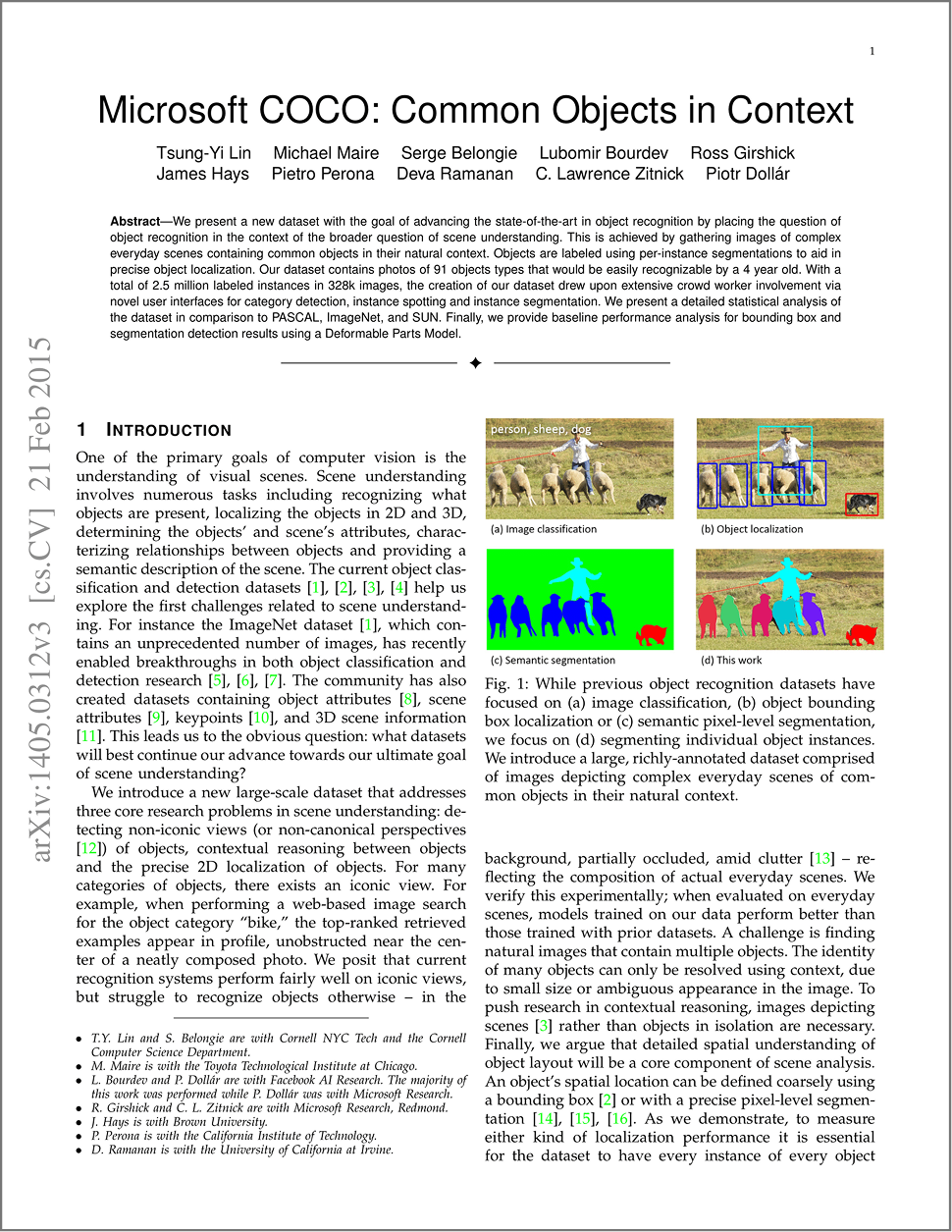
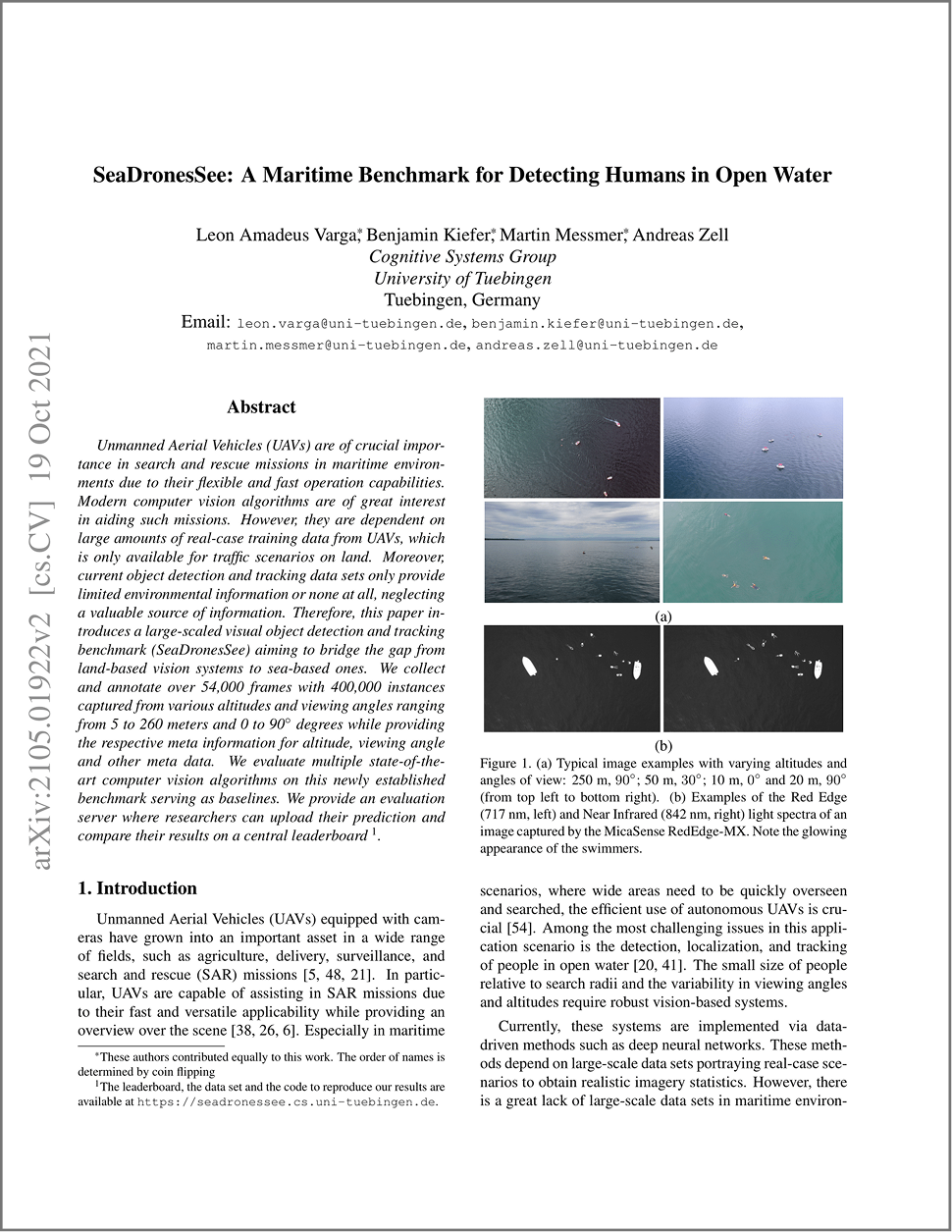
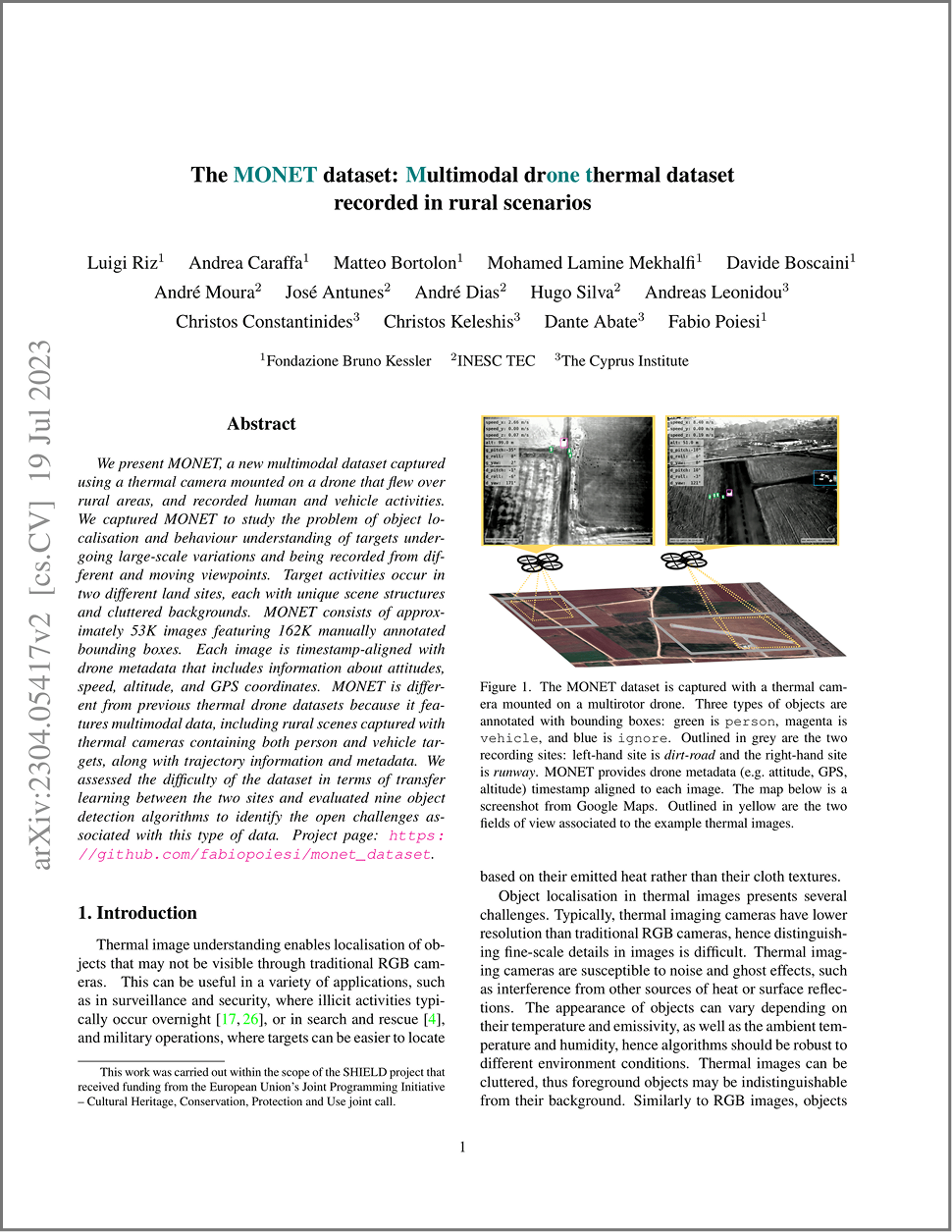

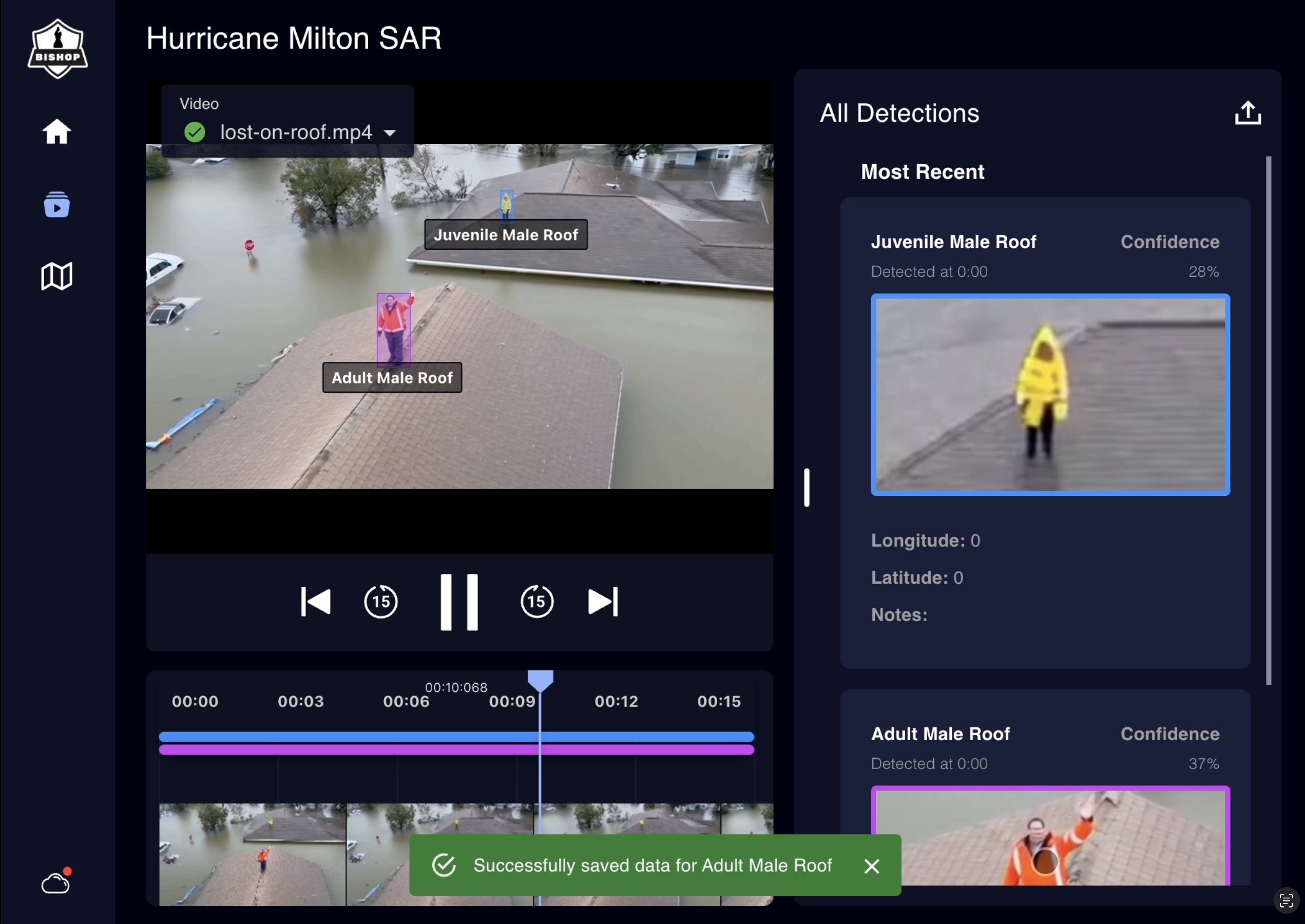
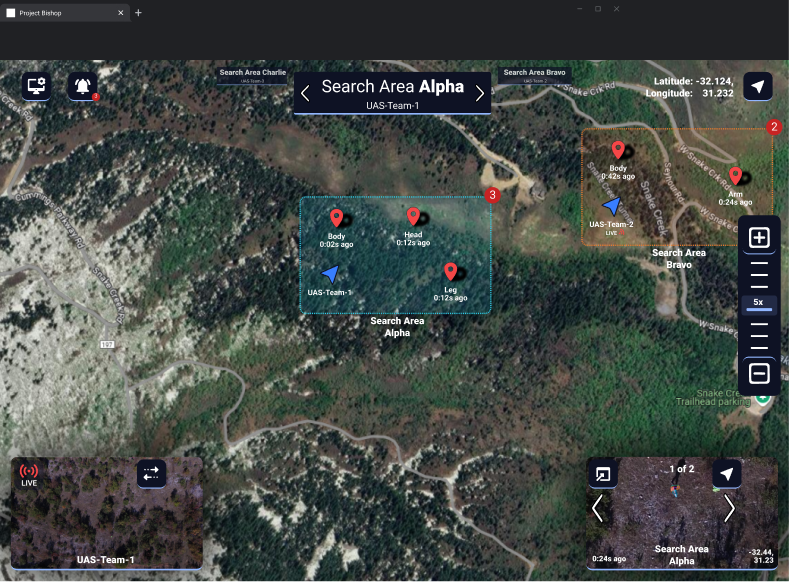
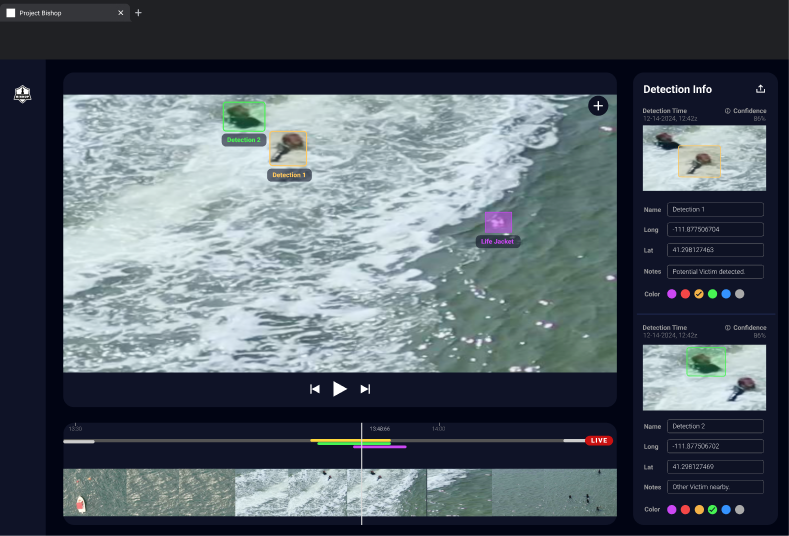
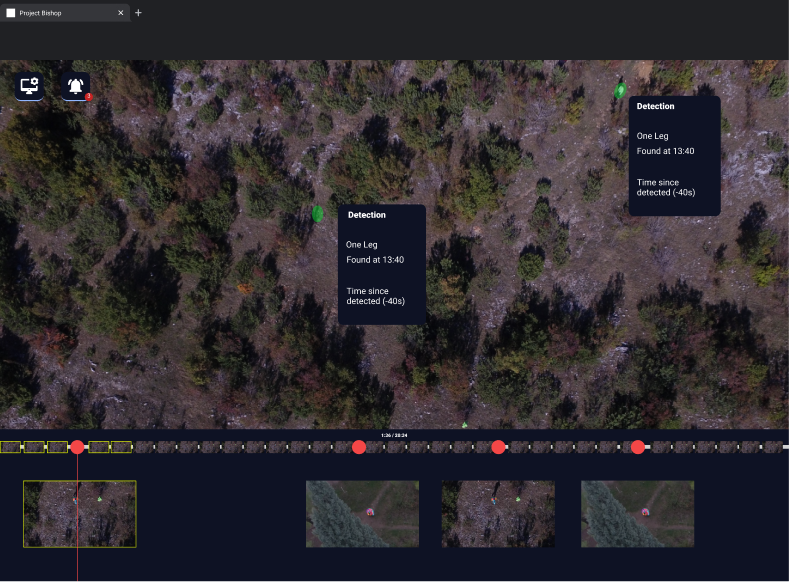
Week 4 - Detect, Track & Visualize
The design needed to prioritize scalability, efficiency, and clear separation of concerns, so that video ingest, inference, and visualization could scale independently as usage increased.
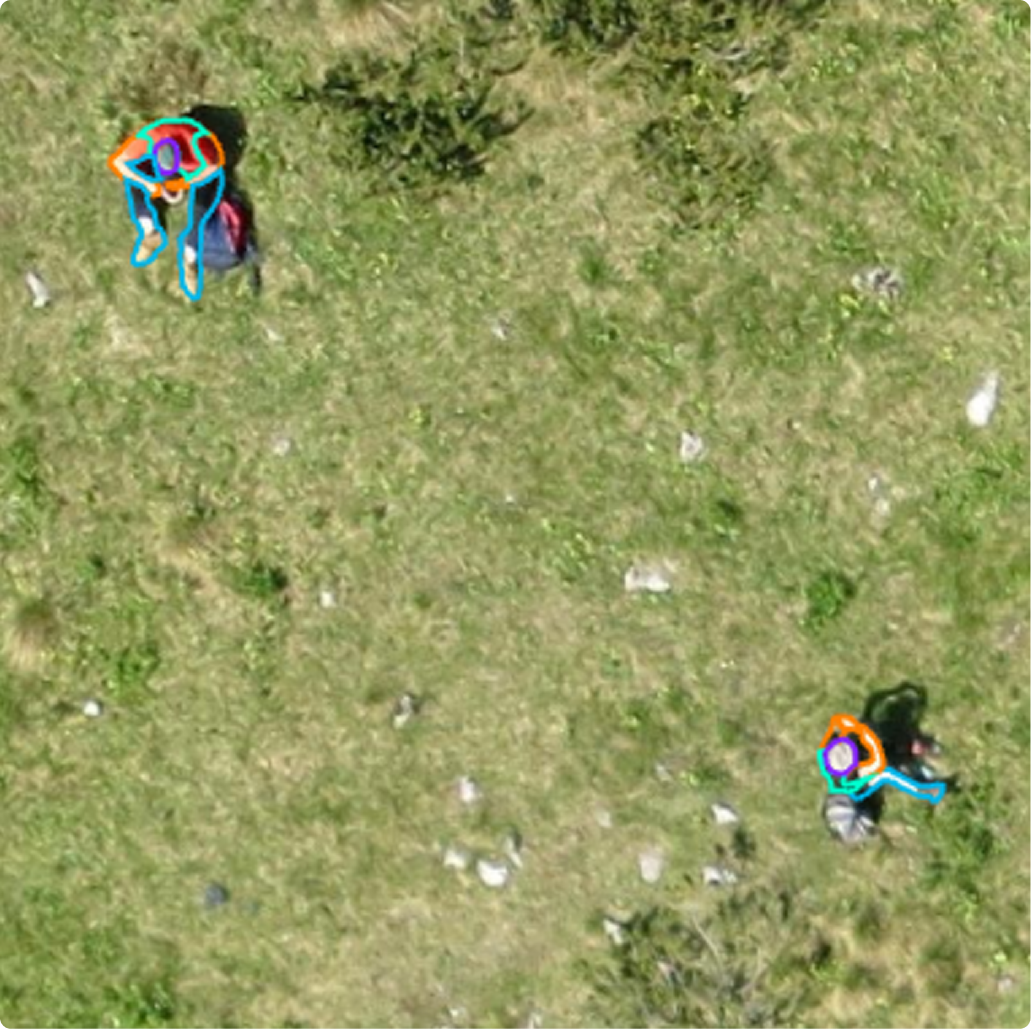
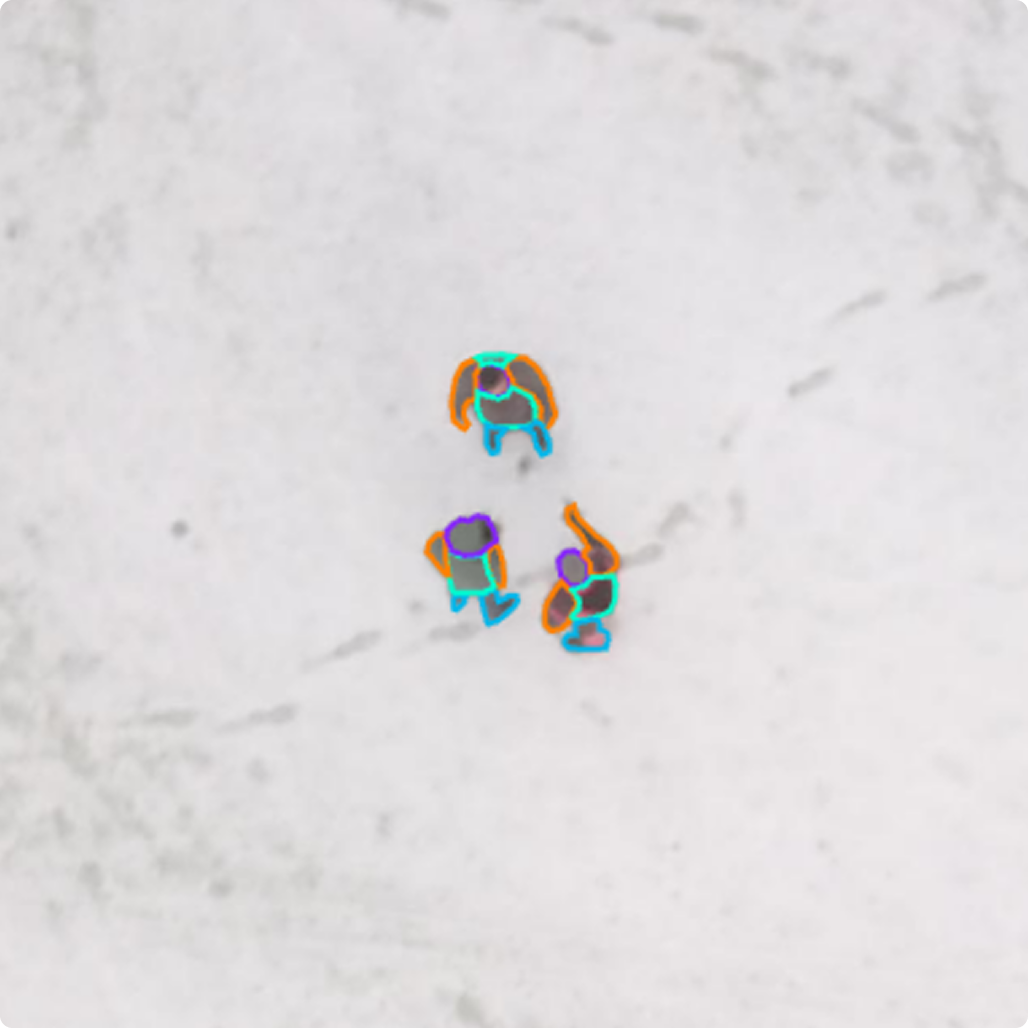
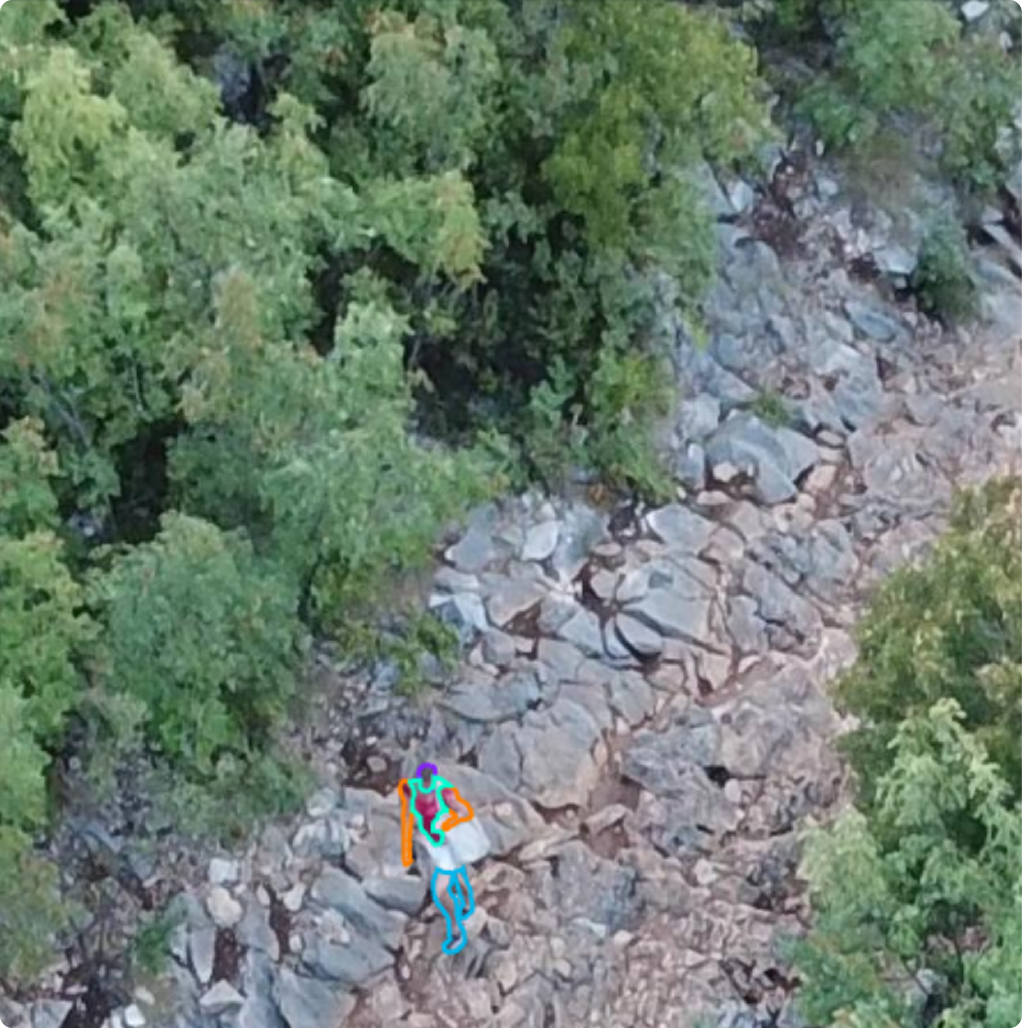
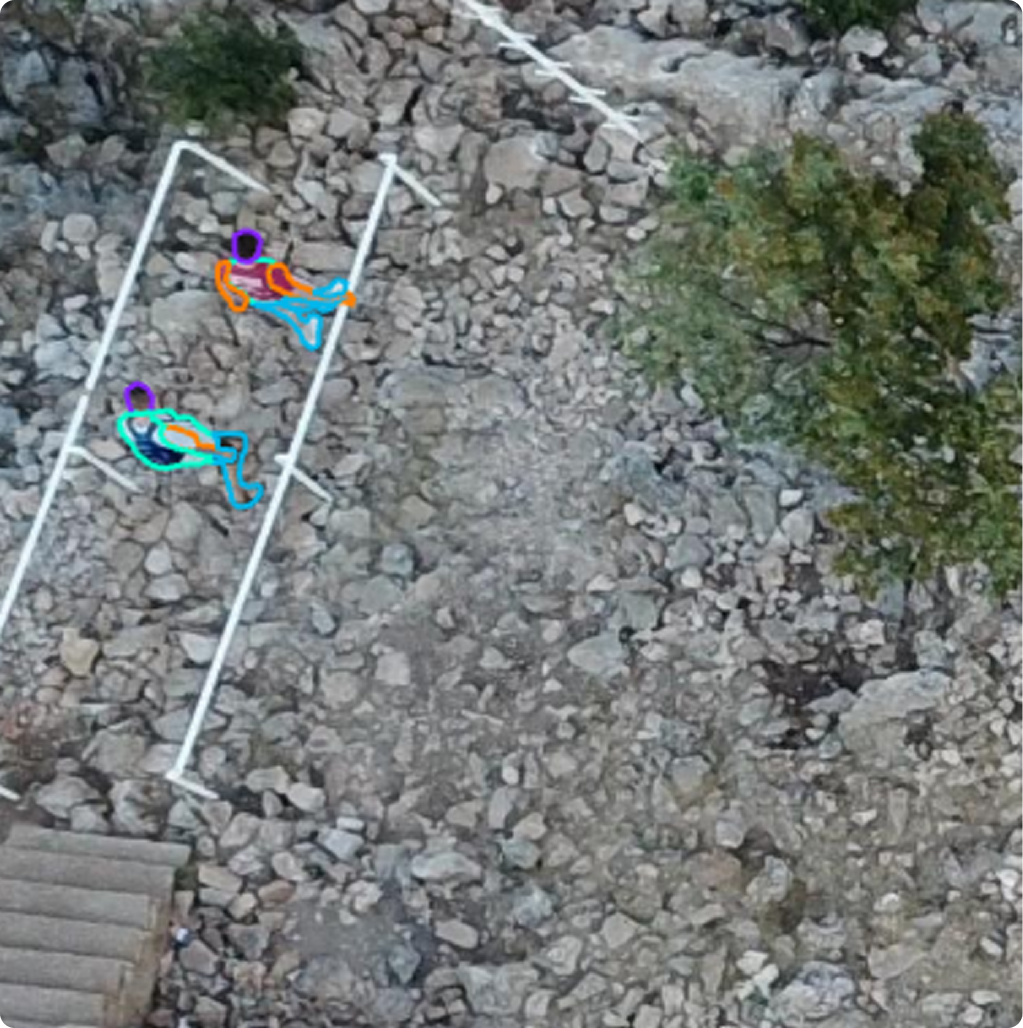
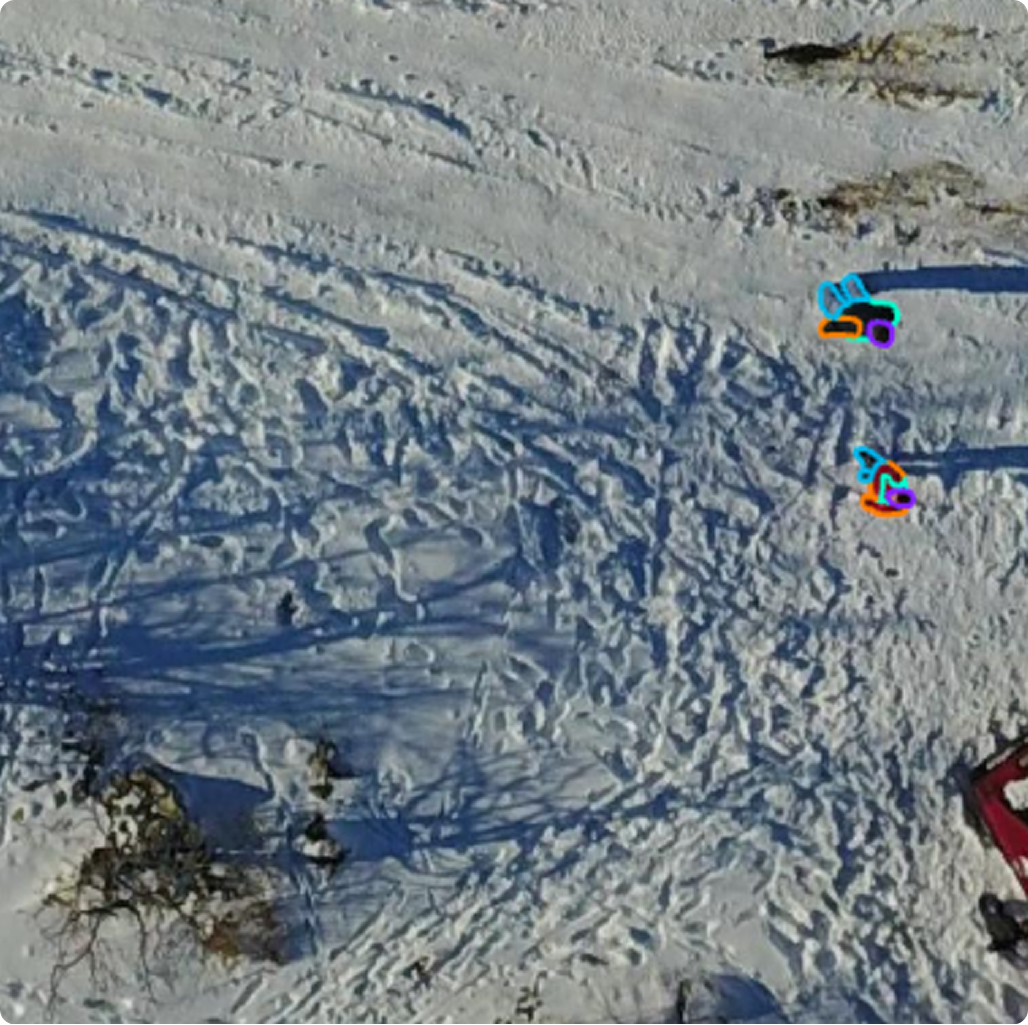
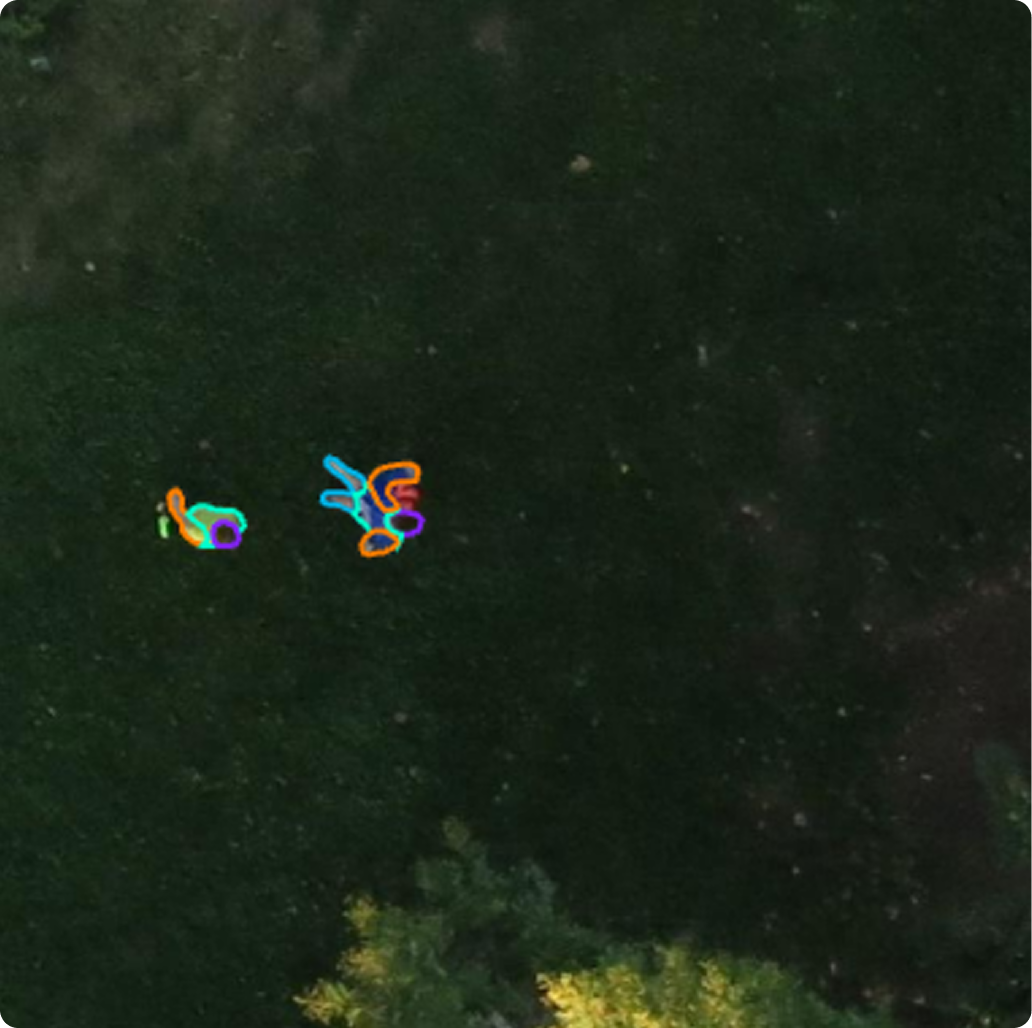
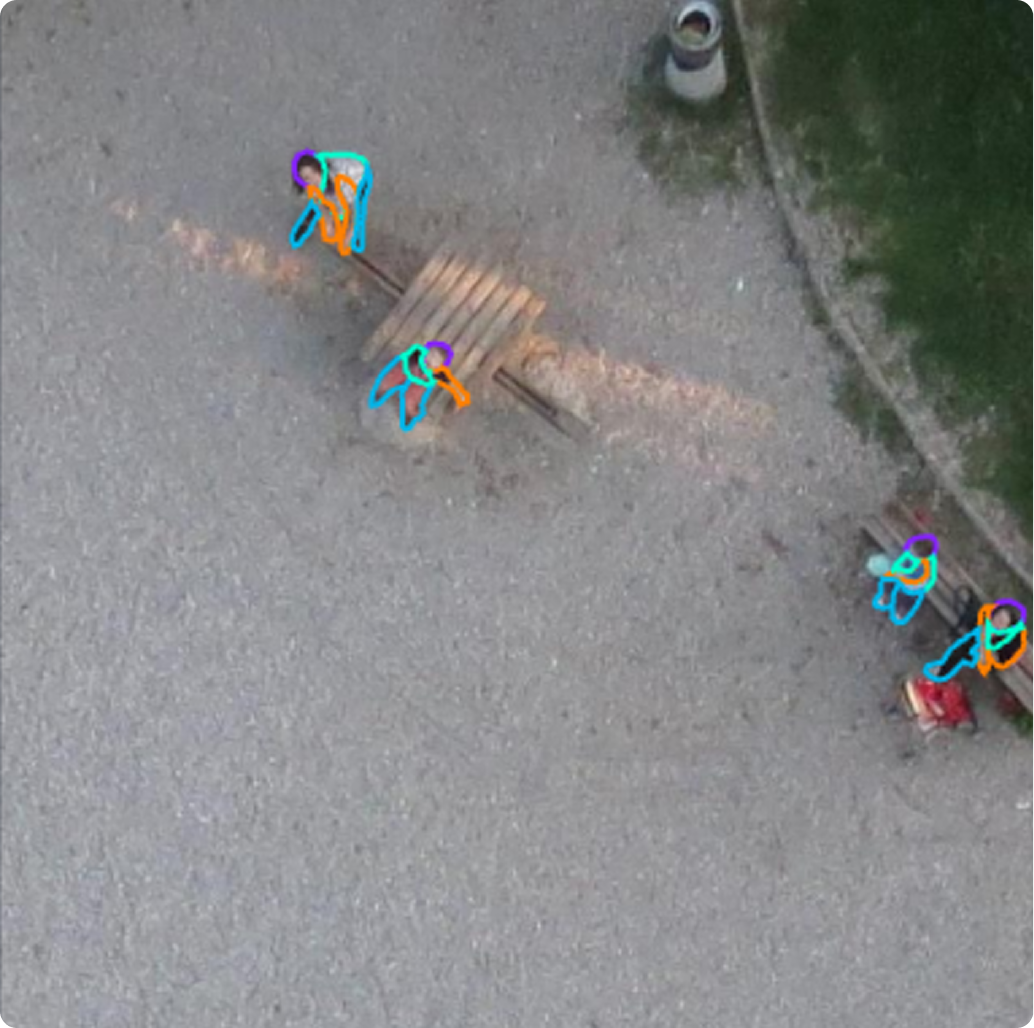
Detect, Aggregate, Coalesce -> Track
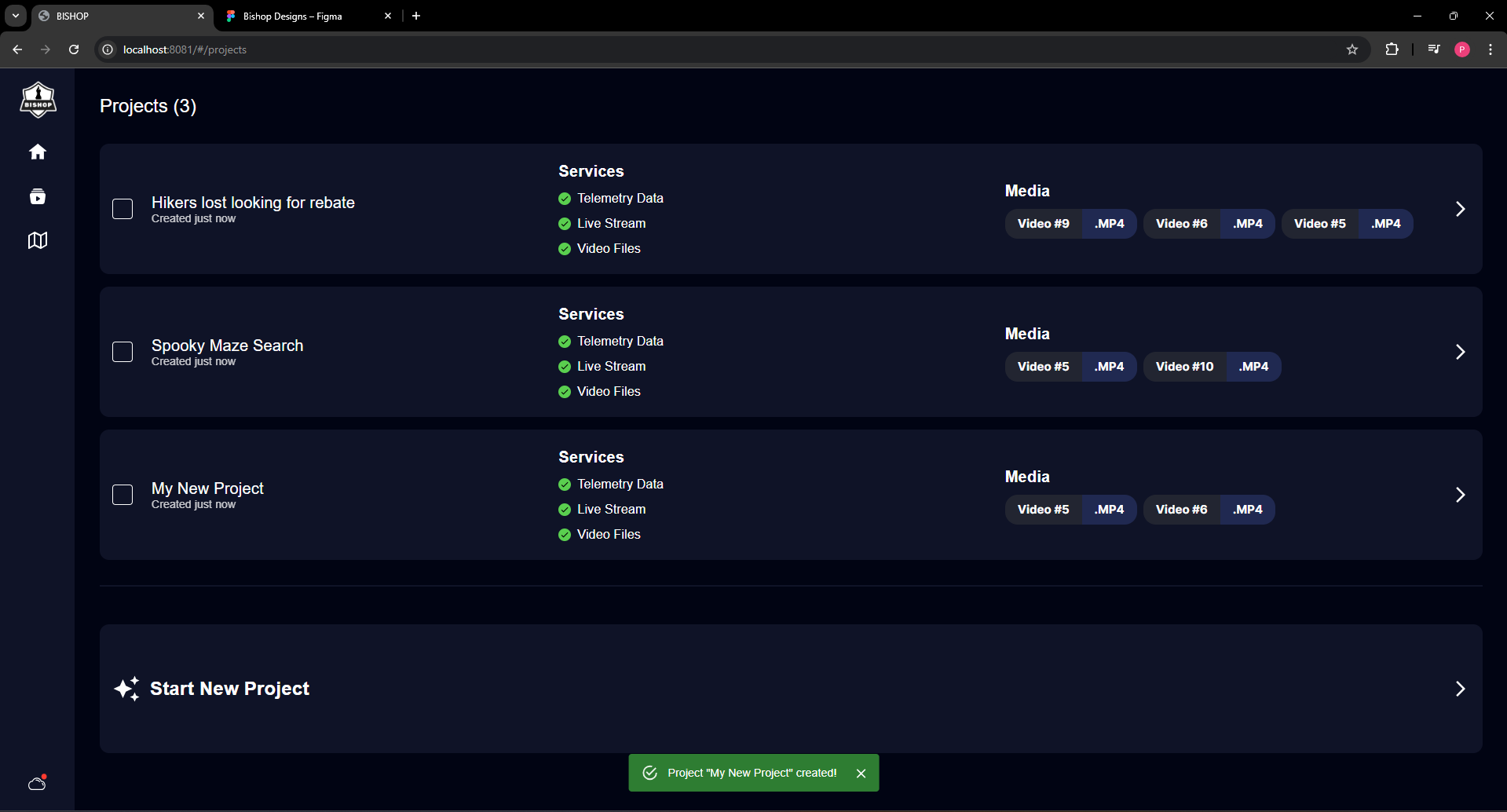
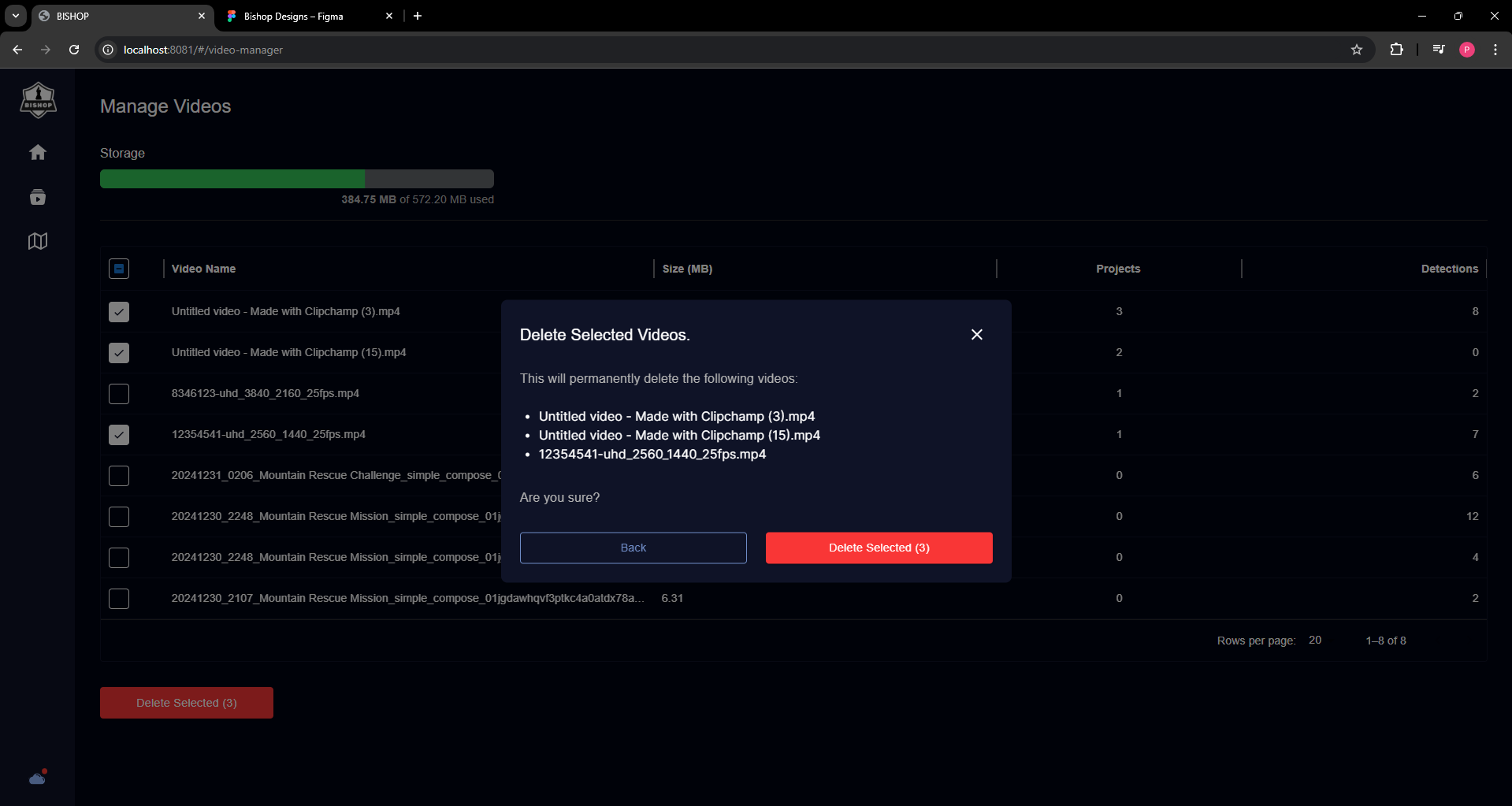
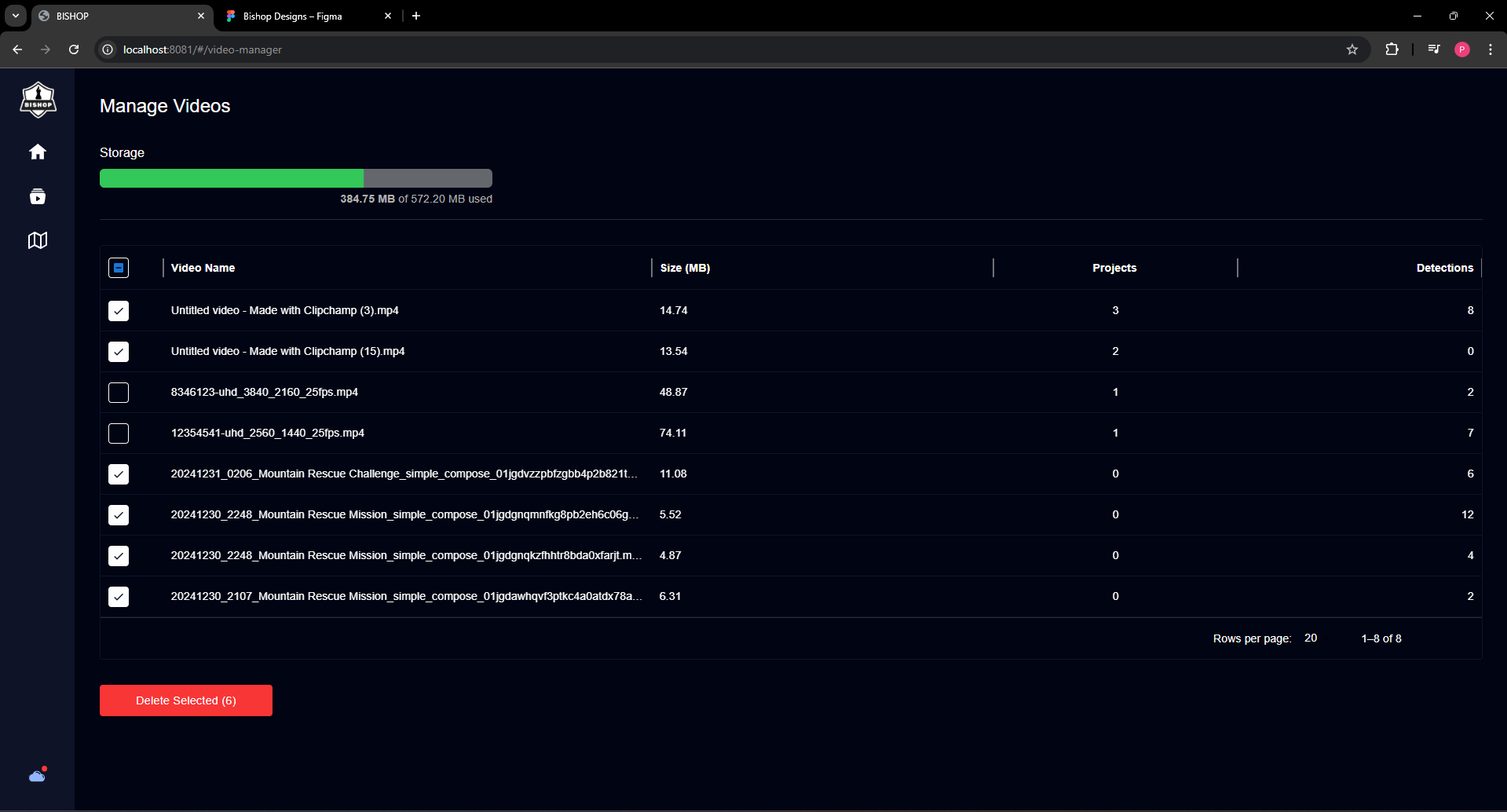
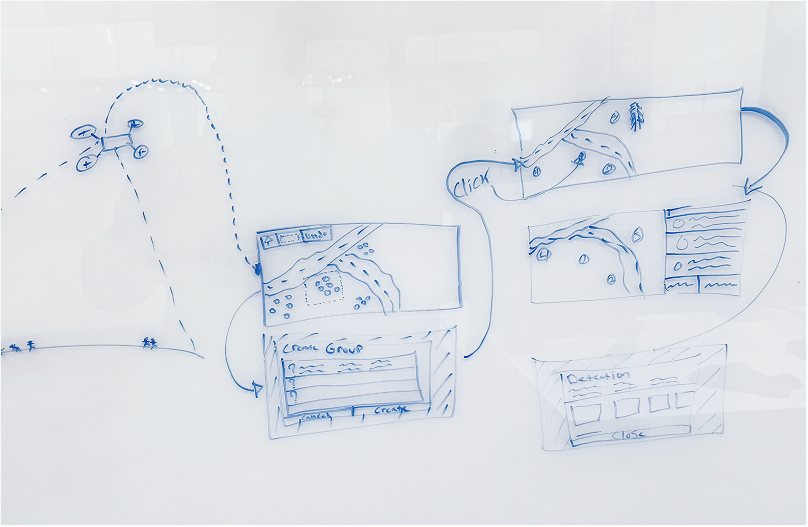
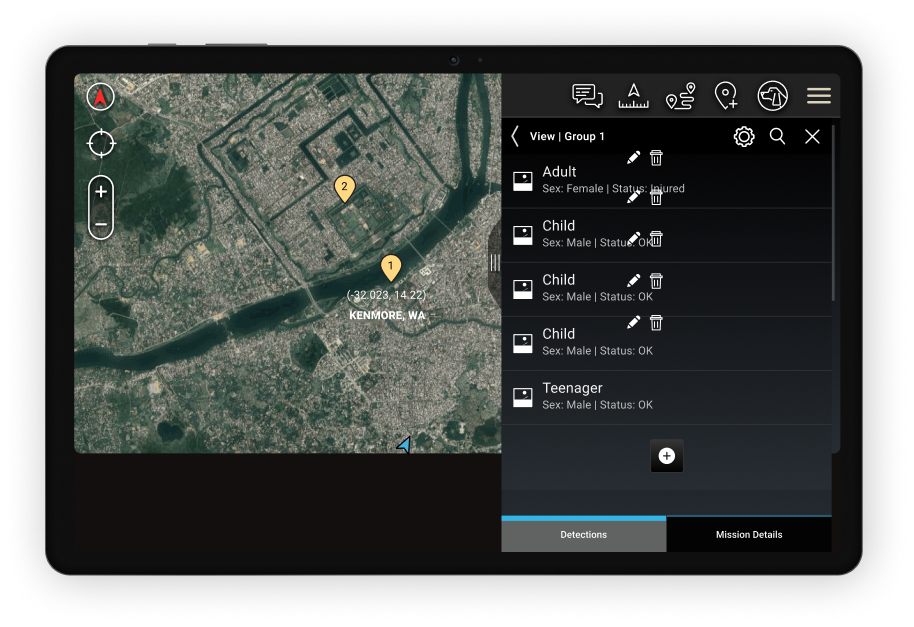
Week 6 • Create, View, Manage & Associate


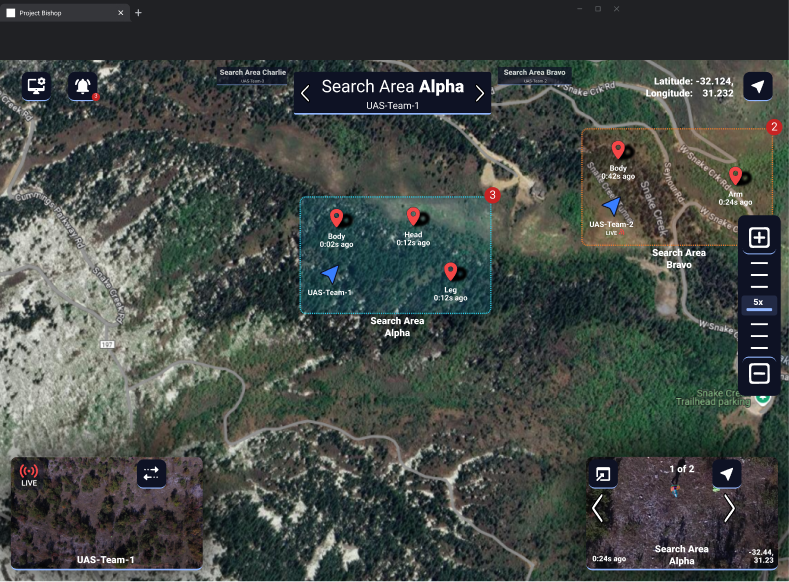
 The Minimal, but Viable Product
Operators valued fast, "good enough" detections over slower, marginally more accurate ones
Showing ML confidence scores helped operators calibrate trust and make better decisions
Offline capability and a simple UI is critical for use in remote environments
To the SAR operators who trusted us with their feedback, field-tested early prototypes in difficult conditions, and never stopped pushing us to build something that saves lives!!
To my Co-Founder and Lead Designer Shelby Reilly who slayed until the very end! :)
And to the teams who keep moving when the clock doesn't stop.